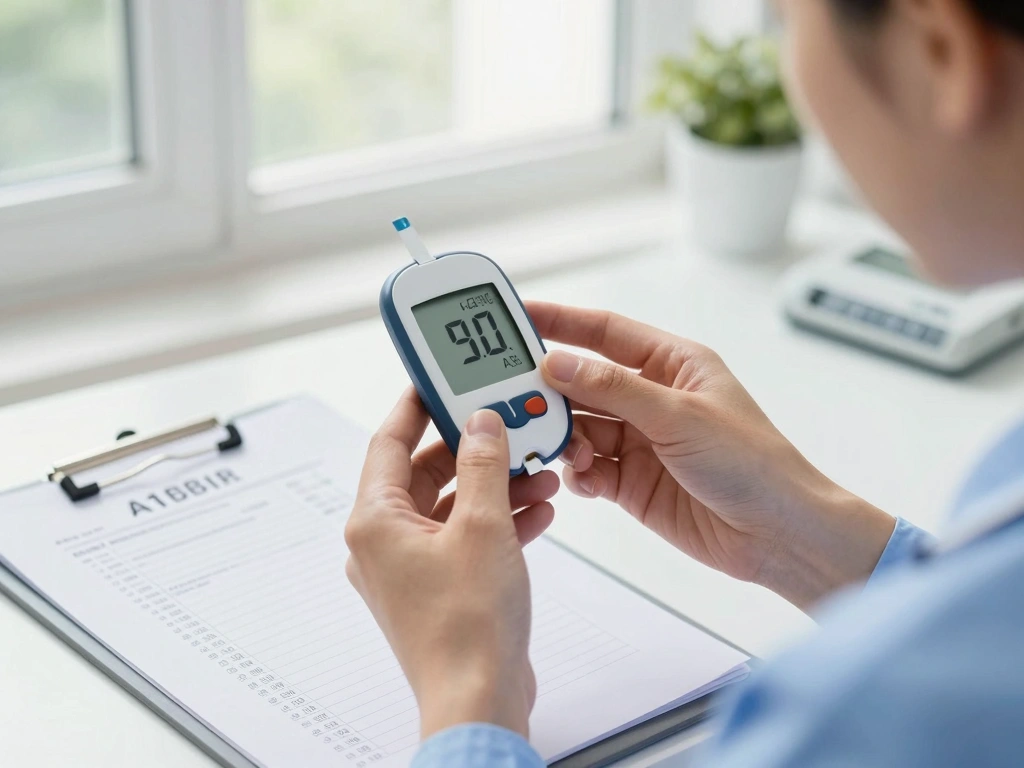
Understanding A1C: What It Measures

Definition of A1C
The A1C test, also known as the hemoglobin A1C or glycated hemoglobin test, is a blood test that provides an average level of blood glucose over the past two to three months. It measures the percentage of hemoglobin, a protein in red blood cells, that is coated with sugar. The A1C test is a crucial tool in the management of diabetes as it indicates how well blood sugar levels have been controlled over time.
How A1C is Calculated
A1C is calculated by taking a blood sample and determining the percentage of hemoglobin that has glucose attached to it. The test itself is typically performed in a clinical setting and does not require fasting. Results are expressed as a percentage; for example, an A1C of 6.5% indicates that 6.5% of the hemoglobin in the blood is glycated.
The formula for calculating A1C from average blood glucose levels is as follows:
- A1C (%) = (Average blood glucose in mg/dL + 46.7) / 28.7
For example, an average blood glucose level of 154 mg/dL corresponds to an A1C of approximately 7%.
Significance of A1C Levels
A1C levels are categorized as follows:
- Normal: Below 5.7%
- Prediabetes: 5.7% to 6.4%
- Diabetes: 6.5% or higher
Maintaining A1C levels below 7% is often a target for many individuals with diabetes, as it is associated with a reduced risk of diabetes-related complications.
Understanding Fasting Glucose: What It Measures
Definition of Fasting Glucose
Fasting glucose, also known as fasting blood sugar (FBS), is a test that measures blood sugar levels after an overnight fast, typically 8 hours without eating or drinking anything other than water. This test is used to assess how well the body manages glucose levels and can indicate the presence of diabetes or other metabolic conditions.
How Fasting Glucose is Tested
To perform a fasting glucose test, a healthcare professional will take a blood sample, usually from a vein in the arm. It is essential that the patient has not consumed any food or caloric beverages for at least 8 hours prior to the test to ensure accurate results. The blood sample is then analyzed to determine the glucose concentration in milligrams per deciliter (mg/dL).
Significance of Fasting Glucose Levels
Fasting glucose levels are categorized as follows:
- Normal: Below 100 mg/dL
- Prediabetes: 100 to 125 mg/dL
- Diabetes: 126 mg/dL or higher
Fasting glucose levels are critical for diagnosing diabetes and understanding an individual's risk of developing the condition. Consistently high fasting glucose levels can indicate insulin resistance and the potential for metabolic syndrome.
Key Differences Between A1C and Fasting Glucose
Measurement Timeframe
One of the primary differences between A1C and fasting glucose tests is the timeframe of the measurements:
- A1C: Reflects average blood glucose levels over the past 2-3 months, providing a long-term view of blood sugar control.
- Fasting Glucose: Measures blood sugar levels at a specific moment after fasting for at least 8 hours, representing a snapshot of glucose status.
Factors Influencing Each Test
Various factors can influence the results of A1C and fasting glucose tests:
- A1C: Factors such as anemia, hemoglobin variants (like sickle cell disease), and certain chronic illnesses can affect hemoglobin levels and skew A1C results.
- Fasting Glucose: Factors such as stress, illness, medications, and even hydration levels can impact fasting glucose readings, making them potentially less reliable during acute illness or stress.
Interpretation of Results
The interpretation of A1C and fasting glucose results can differ significantly:
- A1C: Provides a broader picture of glucose control over time, which can help in understanding trends and making long-term management decisions.
- Fasting Glucose: Offers immediate insights into current glucose status, essential for acute decision-making in diabetes management.
Clinical Uses of A1C and Fasting Glucose
When to Use A1C Testing
A1C testing is typically used for:
- Diagnosing diabetes and prediabetes.
- Monitoring ongoing diabetes management and treatment efficacy.
- Assessing long-term trends in blood sugar control.
It is generally recommended to perform A1C tests at least twice a year for stable patients and quarterly for those whose treatment has changed or who are not meeting glycemic targets.
When to Use Fasting Glucose Testing
Fasting glucose testing is particularly useful for:
- Initial screening for diabetes and prediabetes.
- Confirming diabetes diagnosis when A1C results are borderline.
- Assessing acute changes in blood sugar levels, especially during illness or stress.
Fasting glucose tests may be repeated periodically to track changes and assess risk levels, especially in high-risk individuals.
Complementary Roles in Diabetes Management
While A1C and fasting glucose tests serve distinct purposes, they are complementary in diabetes management:
- A1C provides an overall picture of long-term glycemic control, helping healthcare providers adjust treatment plans.
- Fasting glucose offers immediate insights that can inform real-time decision-making, such as the need for insulin adjustments or dietary changes.
Using both tests in conjunction allows for a more comprehensive approach to diabetes care, helping patients achieve better outcomes.
Common Misconceptions About A1C and Fasting Glucose
Misunderstanding Normal Ranges
Many people misunderstand the normal ranges of A1C and fasting glucose, assuming that values just below the cutoff for diabetes are acceptable. It’s important to note that prediabetes is a critical state that requires intervention to prevent progression to type 2 diabetes. Understanding these ranges can empower individuals to make necessary lifestyle changes.
Confusion Over Testing Frequency
Another common misconception is regarding the frequency of testing. Some individuals may believe that if their blood sugar levels are normal, they do not need to be tested regularly. In reality, regular monitoring is crucial, especially for those at risk for diabetes or with a family history of the condition. Healthcare providers often recommend annual testing for those with risk factors and more frequent testing for those diagnosed with prediabetes or diabetes.
Impact of Lifestyle Factors on Readings
Many patients do not realize how lifestyle factors can significantly impact their A1C and fasting glucose readings. Diet, exercise, stress levels, and sleep can all influence blood sugar levels. For instance, high carbohydrate intake can lead to elevated fasting glucose, while a lack of physical activity can affect A1C levels. Understanding these influences can motivate individuals to adopt healthier habits and better manage their diabetes.